
Wedding Photography Trends 2027 are moving toward photos that feel more real, personal, and alive. Couples still want beautiful portraits. But they also want the laughter, nerves, movement, and small moments they didn’t even notice happening.
That’s a welcome change. Your wedding isn’t a photo shoot with a ceremony squeezed into it. It’s a day you’ll actually live. The best photography should let you return to how that day felt, not just show how everything looked.
For couples, the challenge isn’t following every new trend. It’s finding a photography style that feels beautiful today and still meaningful years from now. The best Wedding Photography Trends are not about creating perfect images; they’re about preserving real emotions, personal stories, and moments that you’ll want to relive.
Documentary Wedding Photography Will Lead in 2027
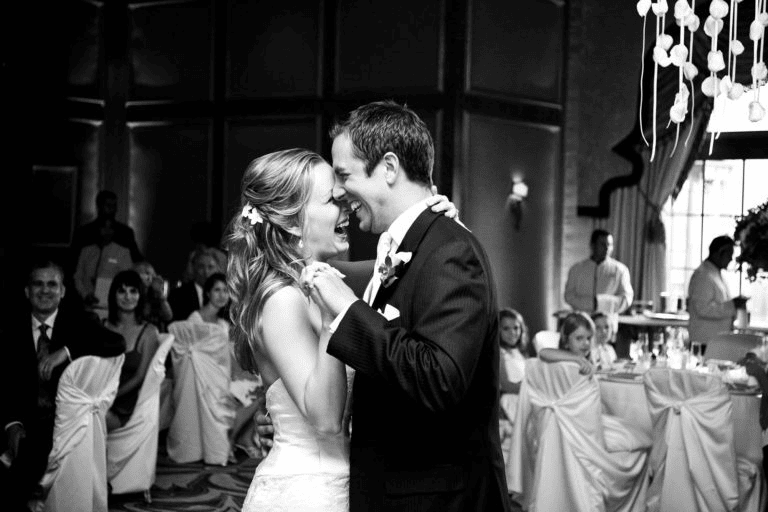
One of the strongest Wedding Photography Trends in 2027 is also one of the simplest: let the wedding happen.
Documentary wedding photography focuses on real events instead of creating every photograph. Your photographer watches, anticipates, and captures moments as they unfold.
Think about your dad’s expression when he first sees you dressed. Your best friend trying not to cry during the ceremony. Or your grandparents laughing together while everyone else is on the dance floor.
You can’t plan those photographs. And that’s exactly why they matter. Couples are becoming more interested in images that show what their wedding really felt like. They don’t want to spend the entire day being moved from one pose to another.
That doesn’t mean portraits are disappearing. Family photos and couple portraits still matter. The difference is how much of the wedding revolves around creating them.
A good documentary photographer knows when to give direction and when to disappear into the background. At Unveiled Wedding Photography, that balance matters. The goal isn’t to control every minute. It’s to notice the meaningful moments happening between the planned ones.
True-to-Life Color Editing Will Replace Heavy Filters
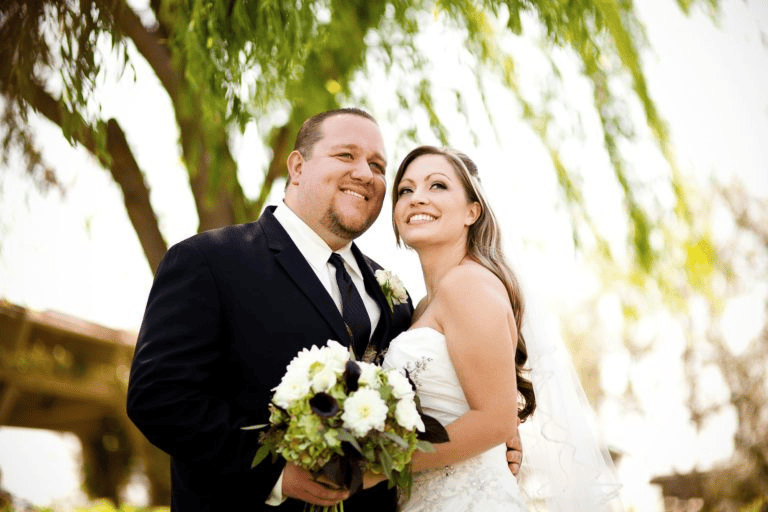
Editing trends come and go surprisingly fast. A color preset can look amazing today and strangely dated five years later. That’s why more couples are moving toward natural, true-to-life editing.
The idea is simple. Your skin should look like your skin. Your flowers should keep their real colors. And the sunset you spent months planning around shouldn’t become orange because of a heavy preset. True-to-life editing doesn’t mean photos need to look flat or boring. A photographer can still create depth, warmth, contrast, and mood. The difference is restraint.
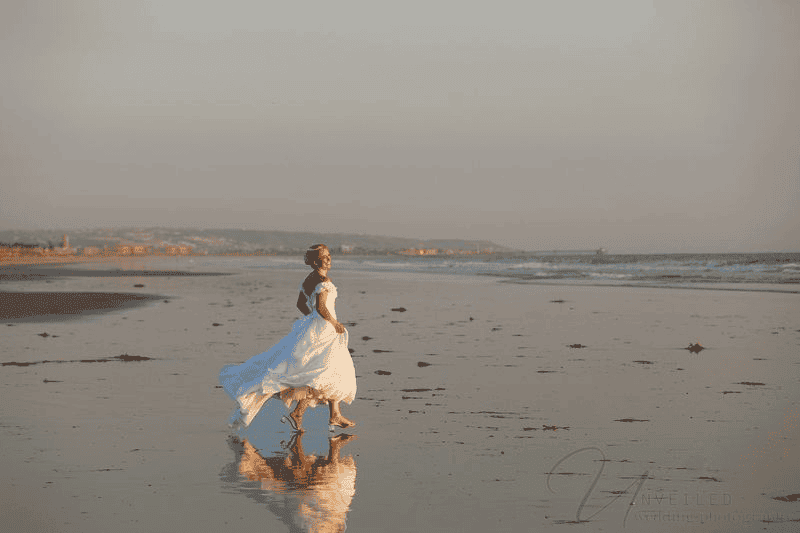
This style works particularly well for outdoor weddings. San Diego couples have beaches, gardens, cliffs, historic buildings, and warm evening light available to them. Natural editing lets those surroundings keep their real character. It also helps wedding photos age well.
Twenty years from now, you may not care which Instagram editing style was popular in 2027. You’ll probably care much more about remembering what your wedding actually looked like.
Editorial Meets Candid Wedding Photography
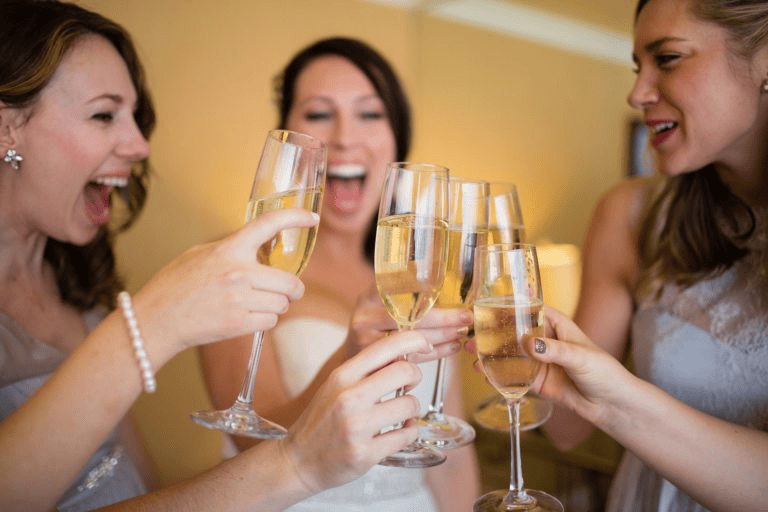
Do you have to choose between polished portraits and natural moments? Not anymore. One of the most interesting modern wedding photography trends is the combination of editorial and documentary photography.
Editorial photography brings intention. It uses composition, light, architecture, fashion, and gentle direction to create polished portraits. Documentary photography brings honesty.
Put them together, and you get a wedding gallery that can feel refined without looking staged. For example, a photographer might guide you toward great light and give you something simple to do. Instead of holding a stiff pose, you may walk together, adjust your jacket, talk, or move naturally.
The photographer creates the conditions. You create the moment. This approach also works well for couples who say, “We’re awkward in photos.”
You don’t need to know how to pose. Good direction should make you feel comfortable without turning you into someone else. Expect this balance between candid and editorial photography to become even more visible during 2027 weddings.
Motion Blur and Direct Flash Bring Energy Back
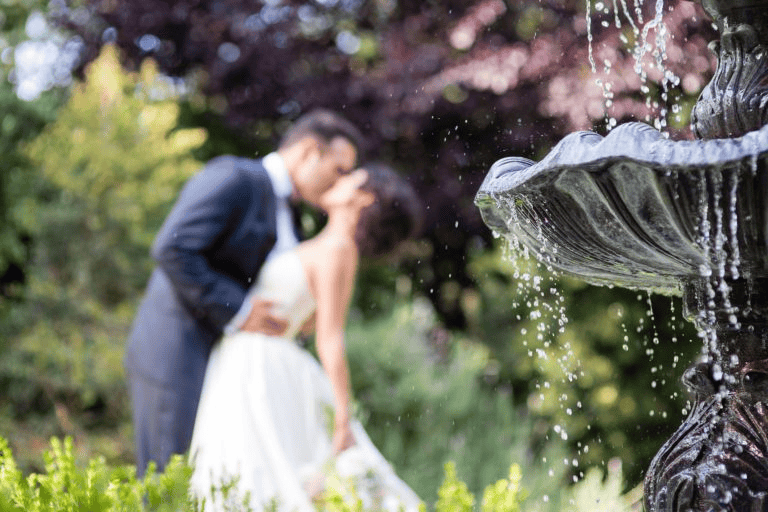
Not every wedding photo needs to be perfectly frozen. Sometimes a little movement tells the story better. Intentional motion blur is being used to capture dancing, walking, spinning dresses, crowded receptions, and fast moments. Instead of removing movement, the photographer uses it creatively.
The result can feel energetic and almost cinematic. Direct flash is making a similar comeback. You’ve probably seen reception photos with bright subjects, darker backgrounds, sharp shadows, and a slightly nostalgic party feel. That’s often intentional direct-flash photography.
It works particularly well for:
- Packed dance floors
- Late-night celebrations
- Champagne moments
- Candid guest photos
- After-party portraits
- Fast-moving reception moments
But there’s an important difference between using a technique and overusing a trend. Not every ceremony moment needs motion blur. And not every reception photo needs direct flash.
The strongest galleries use creative techniques where they add something to the story. Your wedding shouldn’t look like a photography trend demonstration. It should still look like your wedding.
Wedding Photography Is Getting More Personal
For years, couples saved the same wedding poses to Pinterest. Now more people are asking a different question:
What actually matters to us?
That’s changing wedding photography.
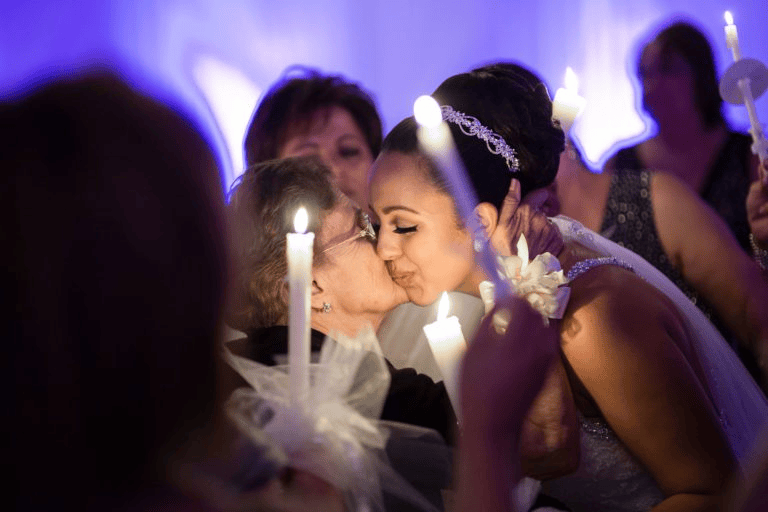
A personal gallery may include your grandmother helping with your dress. It might focus on a cultural tradition your family has celebrated for generations. Maybe it’s the handwritten note your partner left before the ceremony.
These details don’t need to impress strangers online. They need to mean something to you. Before the wedding, tell your photographer about the people, relationships, and traditions that matter most.
For example:
- Is a grandparent traveling a long way to attend?
- Are you wearing something passed down through your family?
- Is there a cultural ceremony your photographer should understand?
- Did you make part of the wedding decor yourself?
- Is there a close friend who played a major role in your relationship?
Those details help a photographer understand where to pay attention. And often, they’re what make one wedding gallery completely different from another.
Intimate Weddings Create Space for Emotional Storytelling
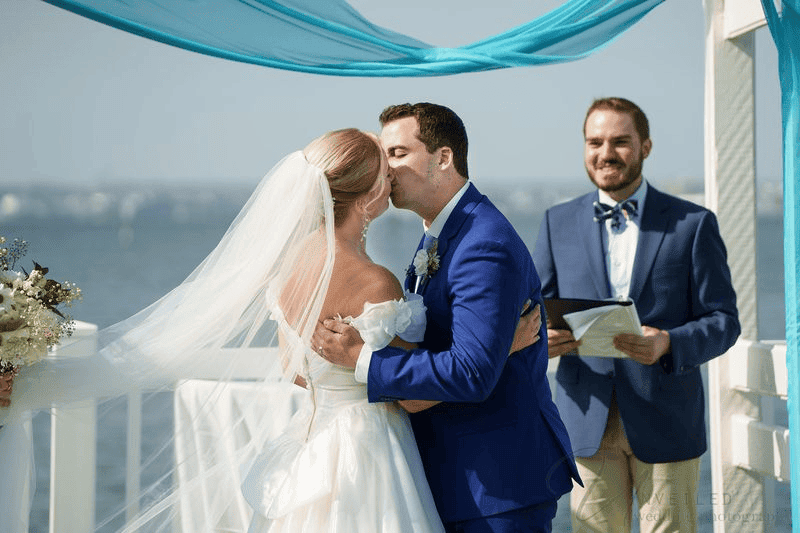
Big weddings aren’t going anywhere. But smaller weddings have changed what couples expect from photography. With fewer guests, photographers can often spend more time documenting relationships and interactions. There’s less pressure to race through a huge list of formal group photos.
That can create room for quieter photographs. A hug that lasts longer than expected. A conversation between parents. Dinner with your closest friends. A private walk after the ceremony.
These aren’t necessarily dramatic moments. But they can become some of the photographs you value most. San Diego also gives intimate weddings plenty of visual variety. A small celebration can take place near the coast, in a garden, at a private property, or at a more traditional venue. The guest count doesn’t decide whether the photographs feel meaningful. Connection does.
Film-Inspired and Nostalgic Photography Will Keep Growing
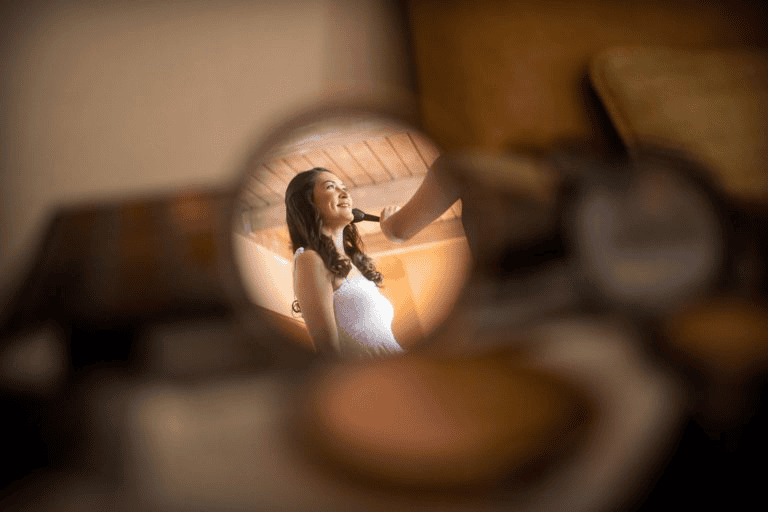
Wedding photography keeps moving forward while borrowing from the past. That’s why film-inspired photography continues to attract couples. Film has texture. It can have grain, softer transitions, unexpected imperfections, and a look that feels different from ultra-clean digital photography.
And those imperfections are part of the appeal. Some photographers use real 35mm film alongside digital cameras. Others bring film influences into their digital work without trying to make every image look vintage.
Couples are also bringing compact digital cameras and point-and-shoot cameras into receptions. Guests can capture messy, funny, imperfect moments from their own perspective. Those photos can be fun. But they aren’t a replacement for professional wedding photography.
Think of them as another layer of the story. Your photographer captures the complete day with intention and consistency. Guest cameras show what the party looked like from inside it. Together, they can create a fun mix of polished and imperfect memories.
AI Will Assist Photographers, But Human Creativity Matters More
AI is going to be part of photography workflows. That doesn’t mean AI should become the photographer. Tools can help professionals organize large image sets and speed up repetitive parts of post-production. Used carefully, technology can give photographers more time for the work that needs a human eye.
But AI can’t know that your mom is about to cry. It doesn’t understand why one tiny family interaction matters more than ten technically perfect photographs.
And it can’t build the trust that helps a nervous couple relax in front of a camera. That’s where experienced photographers still matter. Wedding photography depends on anticipation, timing, empathy, and judgment. You often get one chance to capture a reaction.
There’s no “take two” when the rings go on.
So, the most useful role for AI in wedding photography isn’t replacing creativity. It’s supporting the less personal parts of the workflow while the photographer stays focused on people. For couples, authenticity should remain the priority.
Your wedding gallery should represent what happened, not a digitally invented version of what might have happened.
Wedding Galleries Will Feel More Like Complete Stories
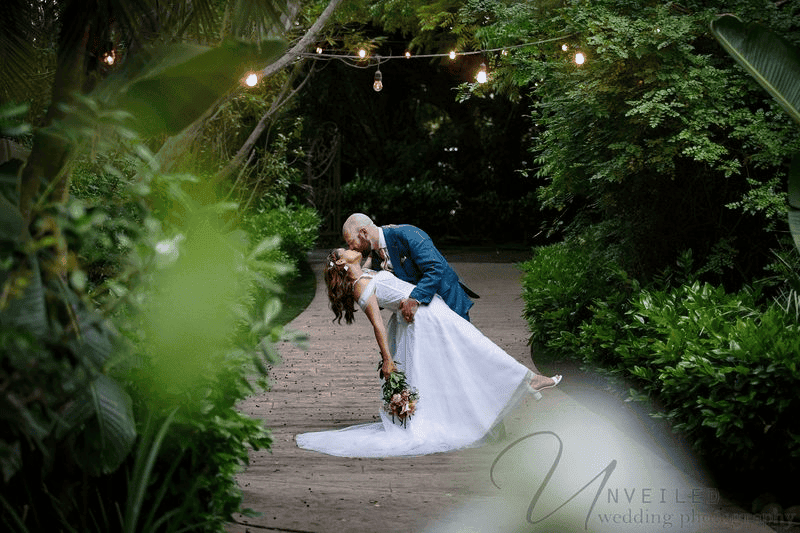
A great wedding gallery shouldn’t feel like 700 unrelated photographs. It should take you somewhere. That’s why story-driven galleries are becoming such an important part of Wedding Photography Trends 2027.
A wedding story has a beginning. There are getting-ready moments, details, anticipation, and people arriving. Then things build. The ceremony starts. Emotions change. Families come together. You walk back down the aisle married.
And then the mood changes again. Dinner begins. Speeches get emotional. Formal clothes loosen up. The dance floor fills. Strong wedding photography connects all of those pieces.
Wide photos can establish where something happened. Close images show emotion. Details remind you of things you may have forgotten. Even quiet transitions have value.
After photographing weddings, you quickly learn that the “big moments” aren’t always the photographs couples respond to most. Sometimes it’s an expression in the background or a quiet interaction nobody planned. That’s why storytelling matters. You aren’t just collecting pretty images. You’re preserving a sequence of memories.
How to Choose a Wedding Photographer for 2027 Trends
Trends can give you ideas. They shouldn’t choose your photographer for you.
Start by looking at complete wedding galleries, not just Instagram highlights. A photographer should be able to handle bright daylight, dark receptions, emotional candids, family portraits, and changing timelines.
Look closely at:
- Storytelling: Do the photos make you feel something?
- Editing: Do skin tones and colors look natural?
- Candids: Are real interactions captured well?
- Portraits: Does the photographer offer direction without making couples look stiff?
- Consistency: Does the work stay strong across different weddings?
- Experience: Can the photographer adapt when weather or timelines change?
- Personality: Would you feel comfortable spending most of your wedding day around them?
And don’t hire someone simply because they can recreate a trendy photograph you saved. Ask yourself whether you like their overall way of seeing weddings. That’s more important.
At Unveiled Wedding Photography, our top san diego wedding photographer focuses on capturing genuine moments while still giving couples guidance when it’s useful. If you’re planning your wedding and want photos that feel natural, emotional, and true to your day, explore the portfolio and see whether that approach feels like you.
Final Thoughts
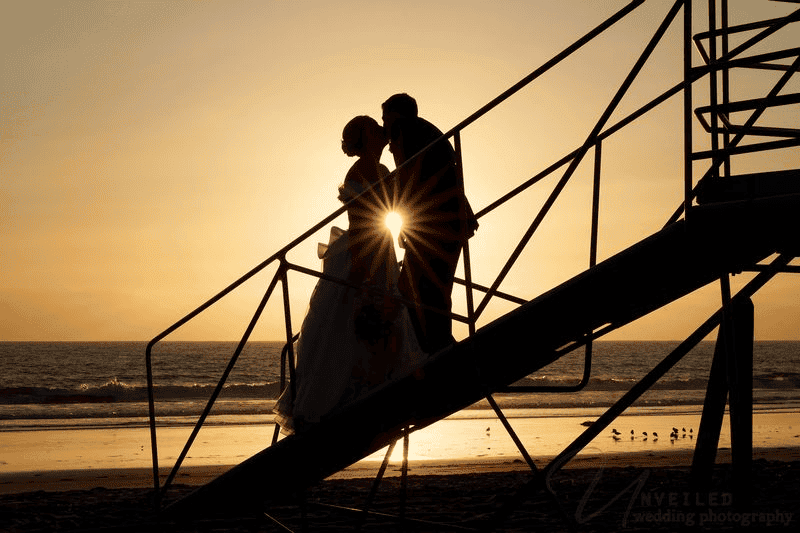
The best Wedding Photography Trends 2027 aren’t really about making weddings look more fashionable. They’re making photography feel more human. Documentary moments, true-to-life colors, thoughtful portraits, film influences, creative flash, and personal storytelling can all add something special. But none should become more important than the people in the photographs.
Trends will change again. But the look on your partner’s face when you see each other for the first time, the laughter during speeches, and the emotions shared with your loved ones will always matter. Choose a photography style that gives those real moments the space they deserve. If you want wedding photographs that feel natural, emotional, and true to your story, Unveiled Wedding Photography is here to capture your day without turning it into one long photo shoot.
FAQs
1. What are the biggest wedding photography trends for 2027?
The biggest trends include documentary storytelling, editorial portraits, true-to-life editing, direct flash, motion blur, film-inspired photos, and more personal wedding coverage.
2. Is candid wedding photography still popular in 2027?
Yes. Candid photography remains popular because couples want genuine reactions and natural interactions. Many photographers now mix candid coverage with a smaller number of guided portraits.
3. Will traditional wedding photography disappear?
No. Family groups, couple portraits, and classic ceremony photos still matter. The change is that couples increasingly want traditional images mixed with natural storytelling.
4. What editing style will be popular for weddings in 2027?
Natural and true-to-life editing is a major direction for 2027. Couples are looking for realistic skin tones, balanced colors, and photographs that won’t feel heavily filtered later.
5. Are wedding photography trends important when choosing a photographer?
They can help you discover styles you like, but don’t choose a photographer based only on trends. Look for consistent work, experience, personality, and a style you’ll still enjoy years later.
6. What makes modern wedding photography different?
Modern wedding photography often combines several approaches. A photographer may use documentary coverage for real moments, gentle direction for portraits, and creative techniques during the reception.
7. Should we follow wedding photography trends or choose timeless photos?
You can do both. Use trends selectively when they fit your personality, but build the main gallery around real emotions, natural colors, and moments that matter to you.

